
Biological Recording
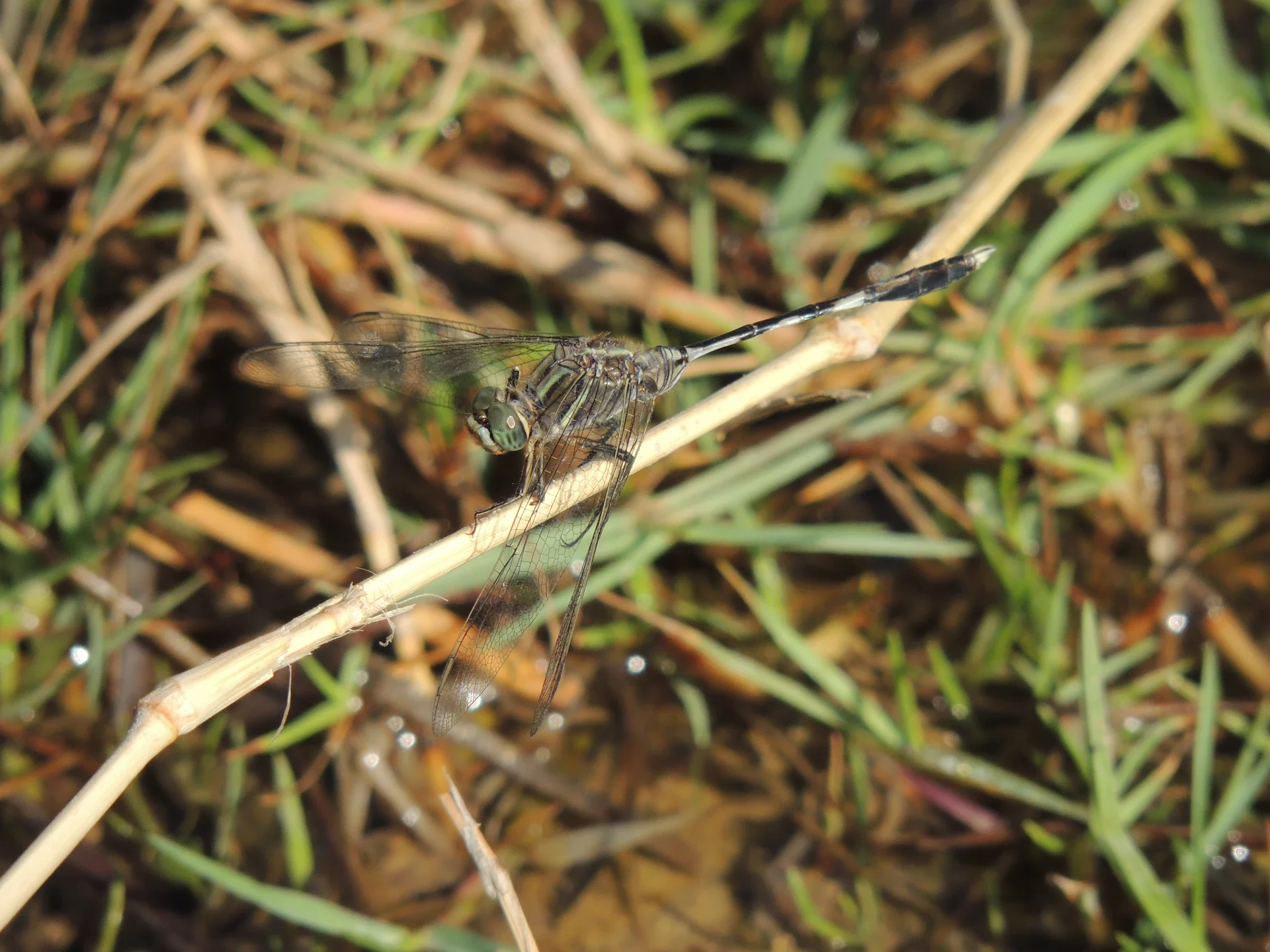
Slender skimmer Orthetrum sabina perched on a dry stem at Khor Kharfot in Jabal Qamar, Dhofar
Biological recording is the process of observing, identifying, and documenting species and their locations, typically including the “four Ws”: what was seen, where, when, and by whom. These records are then verified and stored in local or national databases to support research, conservation, ecological monitoring, and environmental decision-making.
Key points often included in formal definitions:
What: species or taxon observed
Where: geographic location (coordinates or descriptive site)
When: date and, optionally, time
Who: recorder and/or determiner
How: method used (e.g., transects, camera traps, incidental sightings)
Biological recording has a long history and a rich culture in many countries and can help to provide information about the presence, distribution and range of species’ within a country. Professional and amateur naturalists, and increasingly the general public thanks to AI species identification, can collect biological records, helping to build a picture of the biodiversity of local areas, regions and whole countries.
Biological recording has never been more accessible, thanks to a growing suite of smartphone apps and online platforms that help naturalists document the wildlife they encounter. These tools not only make it easy to capture accurate records, but also link users directly with expert verifiers, national databases, and global biodiversity initiatives. Whether you’re a beginner taking photos in your local park or an ecologist conducting systematic surveys, there’s an app designed to support high-quality recording.
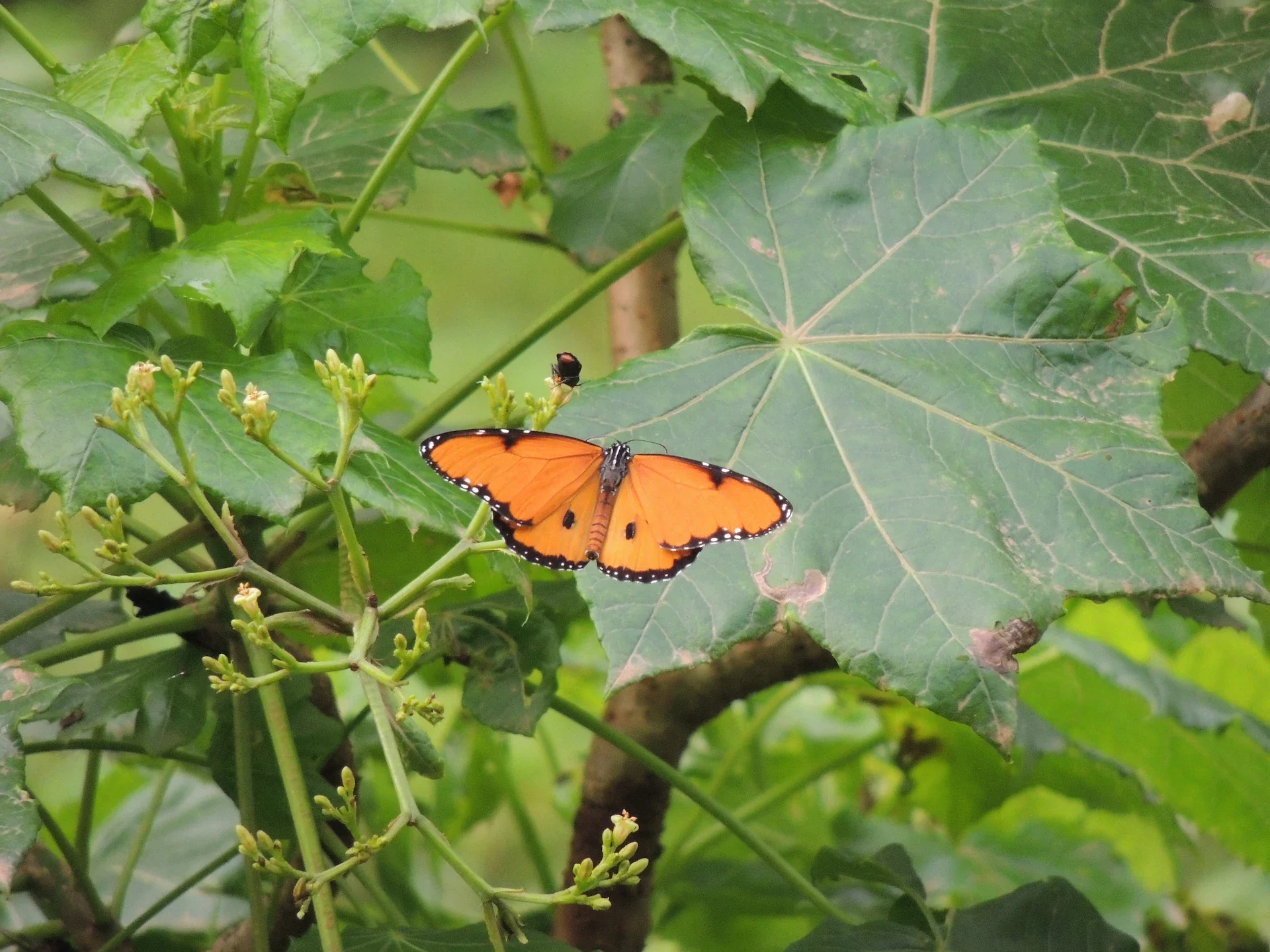
Dorippus Tiger Danaus dorippus perched on a Jatropha dhofarica plant.
iNaturalist is one of the most widely used global platforms for wildlife recording. The app uses machine-learning suggestions to help identify species from photos or sounds, making it particularly accessible for newcomers. Once uploaded, records are checked by a community of experts and contribute to global biodiversity datasets such as GBIF. Its social features - projects, challenges, and community IDs - make it an excellent tool for engaging people in nature exploration and bioblitz events.
Another increasingly popular tool is eBird, run by the Cornell Lab of Ornithology. Tailored specifically for birdwatchers, eBird allows users to log complete bird checklists from any location in the world, supporting detailed analyses of migration, abundance trends, and species distributions. Its companion app, Merlin, helps with identification using photo recognition and sound analysis - particularly powerful for nocturnal or hard-to-spot species. eBird data feed into global conservation programmes, including BirdLife International assessments and migratory flyway research.
